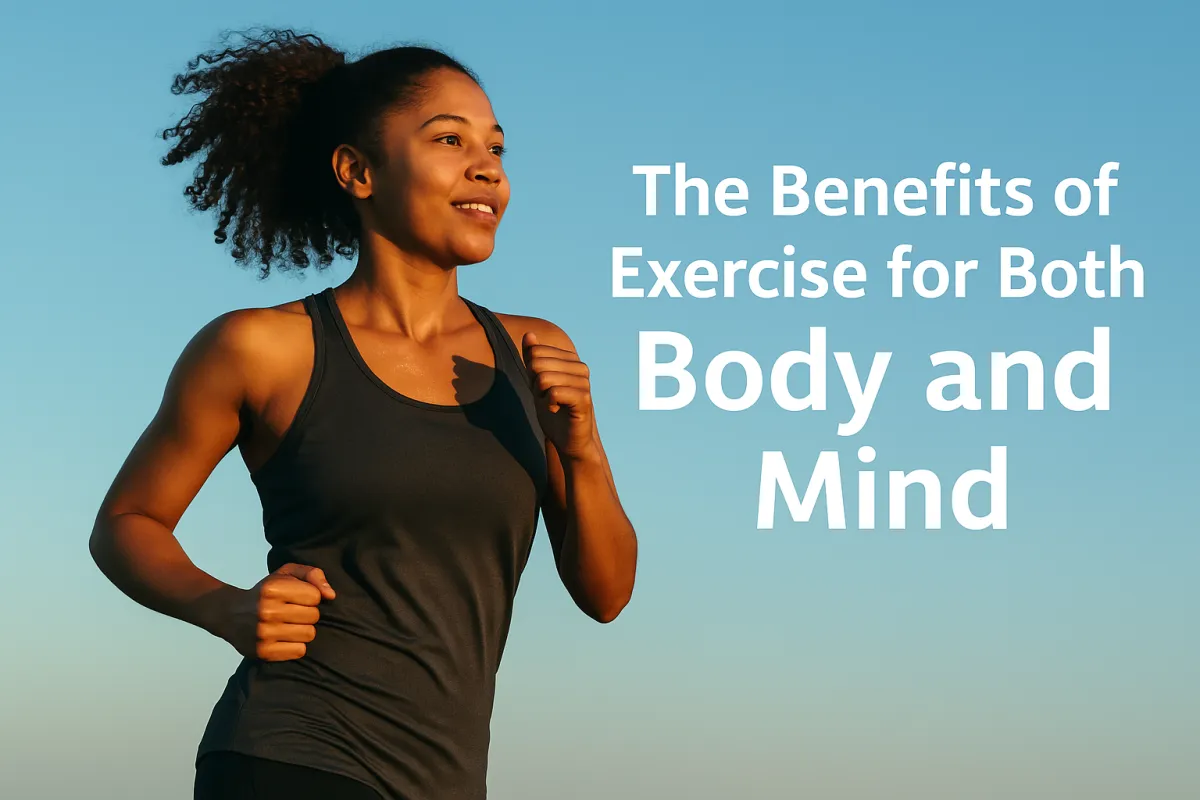
The Powerful Benefits of Exercise for Your Body and Mind
The Powerful Benefits of Exercise for Your Body and Mind
"If exercise were a pill, it would be one of the most widely prescribed and cost-effective drugs ever invented," the saying goes. This statement highlights a simple truth: regular physical activity is incredibly powerful in improving our health. From strengthening the heart and muscles to boosting mood and brain function, exercise offers a panoply of benefits that no single medication can match. Yet, despite these advantages, roughly one in three adults worldwide (about 1.8 billion people) isn’t getting enough physical activity. In this blog, we’ll explore the science-backed benefits of exercise for both your body and mind, showing why moving more is one of the best investments you can make in your overall well-being.
Physical Health Benefits of Exercise
Exercise isn’t just about losing weight or building muscle – it fundamentally improves your health and longevity. In fact, Harvard medical experts note that in the long run, regular exercise “reduces the risk of heart disease, stroke, diabetes, dementia, depression, and many cancers”. Here are some of the key ways staying active benefits your body:
· Better Heart Health and Longer Life: Regular physical activity strengthens your heart and improves circulation. This helps lower blood pressure and keeps your arteries healthy, reducing your risk of heart disease and stroke. Active individuals tend to live longer – people who get enough exercise have a 20–30% lower risk of premature death from all causes compared to inactive people. In other words, exercise not only adds life to your years, but can add years to your life.
· Defence Against Chronic Diseases: Exercise is one of the best preventive medicines. Staying active markedly lowers the risk of chronic illnesses like type 2 diabetes and high blood pressure by improving your body’s insulin sensitivity and blood sugar control. It also helps keep your blood vessels and lungs in good shape. Notably, regular physical activity can even protect against certain cancers – research shows it lowers the risk of 8 common cancers, including colon, breast, lung, and kidney cancers. This means that an exercise habit is linked to fewer cases of these diseases and better long-term health outcomes.
· Stronger Muscles and Bones: Ever heard the phrase “use it or lose it”? Exercise makes that true for your musculoskeletal system. Weight-bearing and resistance exercises (like walking, lifting weights, or yoga) increase muscle strength and bone density, which is crucial as we age. Stronger muscles and bones improve your balance and reduce the risk of falls and fractures in later life. In younger people, staying active helps build peak bone mass and a strong, resilient body. Simply put, exercise keeps your body structurally strong and mobile, from your teens well into your golden years.
· Weight Management and Metabolic Health: Physical activity is a key partner (along with diet) in achieving and maintaining a healthy weight. Exercise burns calories and builds lean muscle, which in turn boosts your metabolism. This helps prevent excess weight gain and can assist with weight loss when combined with healthy eating. But beyond the number on the scale, weight management through exercise lowers strain on your heart, joints, and bones. It also reduces the risk of obesity-related conditions. In short, staying active makes it easier to keep your body composition in a healthy range, which has a ripple effect on overall health.
· Improved Sleep and Energy Levels: If you struggle with poor sleep or low energy, exercise might be the remedy. Even a single session of moderate exercise can help you sleep better that night and feel more alert the next day. Regular exercisers often report having higher energy levels and less fatigue during the day. By improving sleep quality, exercise allows your body to repair and recharge, leading to more sustained energy. There’s even emerging evidence that moderate exercise can boost your immune system over time, helping you fight off illness more effectively. You’ll wake up feeling more refreshed and ready to tackle the day when physical activity is part of your routine.
Mental Health and Cognitive Benefits of Exercise
Exercise doesn’t just strengthen your body – it’s equally amazing for your mind. Research has shown that physical activity can be as powerful as some medications in improving mental health, thanks to a mix of biological and psychological effects. Regular exercise leads to a happier mood, lower stress, a sharper brain, and an overall sense of well-being. Let’s break down how moving your body benefits your brain:
· Boosts Mood and Fights Depression: Have you ever noticed feeling calmer or more upbeat after a workout? That’s not a coincidence. Exercise triggers the release of endorphins – the brain’s feel-good chemicals – which act as natural antidepressants and painkillers. It also spurs the release of serotonin and dopamine, neurotransmitters that enhance mood. The result is often an immediate mood boost and a sense of euphoria sometimes called a “runner’s high.” More importantly, consistent exercise has profound long-term effects on mental health. One recent study found that adding modest exercise (like a 15-minute run or an hour walk each day) was associated with a 26% lower risk of developing major depression. In people who already suffer from depression, exercise can reduce symptoms and is increasingly used as part of treatment. Bottom line: moving your body regularly is a potent way to lift your mood and ward off depression.
· Reduces Stress and Anxiety: When you’re stressed or anxious, breaking a sweat can be one of the best remedies. Physical activity helps lower the body’s stress hormones, such as cortisol and adrenaline. At the same time, it stimulates production of those mood-elevating endorphins, promoting relaxation. This one-two punch means that exercise biologically counteracts the stress response, leaving you feeling calmer and more centred after a workout. Many people use exercise as a healthy outlet to “blow off steam” after a tough day – for example, going for a brisk walk or bike ride can physically dissipate tension. In fact, scientific evidence supports this: a large analysis in 2023 concluded that exercise is about 1.5 times more effective than medication or counselling for mild-to-moderate anxiety and stress reduction. That’s a remarkable finding that underlines how powerful activity can be for mental well-being. Whether it’s yoga, running, or even dancing in your living room, moving your body is a natural stress-reliever that leaves you less anxious and more at ease.
· Sharpens Brain Function and Memory: Exercise is not just about muscles – it gives your brain a workout too. Cardiovascular exercise, in particular, increases blood flow to the brain and stimulates the growth of new brain cells and connections. Over time, this leads to improvements in memory, attention, and processing speed. According to the CDC, physical activity helps you “think, learn, problem-solve” more effectively and can even improve academic performance in students. For adults, staying active is one of the best things you can do to protect your brain as you age. Regular exercise reduces the risk of cognitive decline and dementia. One study found that cognitive decline was nearly twice as common in inactive adults compared to those who exercised – suggesting that exercise literally helps keep your mind young. It’s no surprise that Alzheimer’s researchers often recommend exercise as a preventive strategy. Even on a day-to-day level, you might notice you think more clearly after a workout; many people use walks or runs as a time to clear their mind or spark creativity. In short, exercising consistently can make you smarter, more productive, and guard your brain against aging.
· Builds Self-Esteem and Confidence: Beyond the chemical effects, exercise brings powerful psychological benefits. As you stick with a workout routine, you’ll likely see improvements – lifting heavier weights, running longer or faster, feeling more flexible and energetic. Achieving these fitness milestones, however small, can greatly boost your self-esteem and confidence. You gain a sense of accomplishment and mastery as your body grows stronger. Your self-image often improves as well: knowing that you’re taking care of your body can make you feel more positive about how you look and what you can do. Exercise can also provide a healthy sense of routine and control; in a world of many stresses, your daily workout is an empowering act of self-care that’s under your control. Over time, this increased confidence and discipline can spill over into other areas of life – you may feel more capable of handling challenges at work and home thanks to the resilience built on the track or in the gym. In essence, exercise strengthens your mental and emotional muscles along with the physical ones, helping you feel more empowered and self-assured.
· Improves Overall Mental Well-Being: Add up all the benefits above – better mood, less stress, sharper thinking, higher confidence – and it’s clear why people who exercise regularly tend to be happier and more satisfied with their lives. In fact, a massive study of 1.2 million Americans found that those who exercised reported ~40% fewer “poor mental health” days per month compared to those who didn’t exercise. In other words, active people have far fewer days when they feel down, stressed, or emotionally unwell. Exercise provides an outlet for pent-up emotions, a chance for social interaction if you work out with others, and a break from daily pressures – all of which contribute to a healthier state of mind. Whether it’s the camaraderie of a team sport or the peaceful solitude of a morning jog, physical activity nourishes your mental health. Over time, many find that exercise becomes not just about physical fitness, but a crucial tool for mental balance and emotional resilience. It’s one of the reasons you’ll often hear people say, “Exercise is my therapy.”
Conclusion: Time to Get Moving!
By now, the verdict should be crystal clear: exercise is one of the best things you can do for both your body and your mind. From reducing the risk of serious diseases to lifting your mood and sharpening your brain, the benefits of being active are profound and wide-ranging. The beauty of it is that you don’t have to be an Olympic athlete to reap these rewards – every bit of movement counts.
Health experts recommend aiming for at least 150 minutes of moderate exercise per week (for example, 30 minutes a day, 5 days a week) for adults. This could be brisk walking, cycling, swimming, or anything that gets your heart beating a little faster. If you prefer more intense workouts, 75 minutes of vigorous activity (like running or aerobics) per week can do the trick. And don’t forget strength training a couple of times a week to keep those muscles and bones strong. That said, the most important step is simply to start moving – even small amounts of activity are better than none. Take the stairs, stretch during TV commercials, go for a short stroll on your lunch break; it all adds up.
The benefits we’ve discussed – a healthier heart, a happier frame of mind, more energy, and a sharper brain – begin almost immediately once you get active, and they build over time. So, whether you’re 18 or 80, it’s never too late (or too early) to make exercise a regular part of your life. Your future self will thank you for it, as you enjoy a longer, healthier, and more fulfilling life. So why not start today? Lace up your shoes, find an activity you enjoy, and give yourself the gift of exercise – your body and mind will reap the rewards for years to come.
